
Introduction
The VEGI (Vascular Endothelial Growth Inhibitor) (VEGI/1283), CF488A conjugate, 0.1 mg/mL Antibody is a powerful research tool for studying angiogenesis, tumor suppression, and vascular biology. VEGI, a member of the tumor necrosis factor (TNF) superfamily, plays a crucial role in endothelial cell apoptosis and vessel formation inhibition, making it a critical molecule in cancer and vascular disease research. The CF488A conjugate offers superior fluorescence properties, enhancing the sensitivity and reliability of detection in various biological assays.

VEGI and Its Role in Vascular Biology
Vascular Endothelial Growth Inhibitor (VEGI) is pivotal in modulating angiogenesis. VEGI inhibits the proliferation of endothelial cells by inducing apoptosis, thereby preventing the formation of new blood vessels. This characteristic makes VEGI a promising therapeutic target in oncology (NIH VEGI Research) and cardiovascular disease management (CDC Cardiovascular Disease Data).
The regulation of angiogenesis by VEGI has been highlighted in studies from institutions like Harvard University, where VEGI was shown to suppress tumor growth in preclinical models (Harvard Angiogenesis Research).
CF488A Conjugate: Advanced Fluorescence for Research
The CF488A dye is a green fluorescent dye comparable to Alexa Fluor® 488. It is known for its brightness, photostability, and reduced non-specific binding. These properties make it ideal for applications such as immunofluorescence and flow cytometry (NIH Flow Cytometry Guidelines).
Key advantages include:
- Enhanced Brightness: Higher fluorescence intensity for better visualization (PubMed Study on CF Dyes).
- Photostability: Reduces signal degradation over time during imaging (NCBI Imaging Resources).
- Reduced Non-Specific Binding: Improves signal-to-noise ratio, critical in complex biological samples (FDA Fluorescence Dyes Overview).
Applications of VEGI/1283, CF488A Conjugate Antibody
This conjugated antibody has broad applications in molecular biology, oncology, and immunology. It is particularly useful for:
- Immunofluorescence
Used to visualize VEGI localization in tissue sections and cultured cells. Techniques developed at Stanford University demonstrate its effectiveness in detecting VEGI in vascular endothelium (Stanford Research Labs). - Flow Cytometry
Enables precise quantification of VEGI expression in cell populations, as recommended by the National Cancer Institute (NCI Flow Cytometry Protocols). - Western Blotting
Detects VEGI protein levels in lysates, following guidelines by the National Institute of General Medical Sciences (NIGMS Western Blot Guide). - Tumor Microenvironment Studies
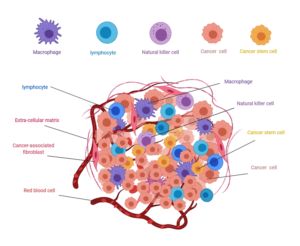
Assists in analyzing VEGI’s role in suppressing tumor vasculature, an area of active research funded by the National Institutes of Health (NIH Tumor Microenvironment Programs).
Technical Specifications and Storage
The VEGI/1283 antibody is supplied as a CF488A conjugate at a concentration of 0.1 mg/mL. Proper storage at -20°C, away from light, ensures stability and fluorescence integrity. For detailed handling procedures, refer to the guidelines provided by the National Institute of Standards and Technology (NIST Antibody Storage Standards).
VEGI in Cancer and Cardiovascular Research
VEGI is being explored as a therapeutic agent to inhibit pathological angiogenesis. The National Cancer Institute highlights its potential in suppressing tumor growth by halting nutrient supply (NCI Cancer Therapeutics Overview). Similarly, the National Heart, Lung, and Blood Institute supports VEGI-based therapies for addressing abnormal vascular proliferation in cardiovascular diseases (NHLBI Research).
Conclusion
The VEGI (Vascular Endothelial Growth Inhibitor) (VEGI/1283), CF488A conjugate, 0.1 mg/mL Antibody is a critical tool for researchers studying angiogenesis, vascular biology, and cancer. Its advanced fluorescence properties and broad applications make it indispensable in modern molecular biology laboratories. Explore resources from trusted organizations like the NIH, CDC, and NIST to learn more about VEGI and its implications in biomedical research.
For purchasing and protocol support, refer to suppliers offering validated reagents, ensuring compliance with federal and institutional standards (FDA Reagent Validation Guidelines).