
Recombinant Adeno-Associated Viruses (rAAVs) are among the most advanced tools in molecular biology and gene therapy. The rAAV-EF1a-DIO-BFP-Flag-WPRE-bGH polyA construct exemplifies the versatility of rAAV technology, enabling precise, targeted gene expression in a variety of research contexts, including neuroscience, oncology, and regenerative medicine. This article expands on its components, functionality, and applications, providing numerous hyperlinks to authoritative academic and governmental resources.
Breaking Down the rAAV-EF1a-DIO-BFP-Flag-WPRE-bGH polyA Construct
The rAAV-EF1a-DIO-BFP-Flag-WPRE-bGH polyA comprises a highly optimized genetic structure, purposefully designed for conditional and robust gene expression. Here’s a deeper look into its components:
1. EF1a Promoter
The EF1a promoter, derived from elongation factor 1-alpha, is highly favored for its strong, constitutive expression in a wide range of mammalian cells. It ensures sustained gene activity, even in non-dividing cells.
Explore more at:
2. Double-Floxed Inverted Orientation (DIO)
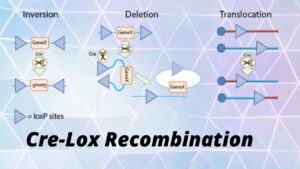
The DIO cassette introduces conditional gene expression based on the Cre-lox recombination system. This enables researchers to turn specific genes on or off in a highly controlled manner, critical for studies in cell lineage and disease models.
Learn about Cre-lox technology:
3. Blue Fluorescent Protein (BFP)
The BFP reporter allows real-time visualization of gene expression and cellular localization. This fluorescent marker is crucial for cell sorting, imaging, and expression validation.
Discover its applications at:
4. Flag Tag
The Flag tag is a small epitope used extensively for tracking and purification of proteins. It simplifies experimental workflows in protein biochemistry and molecular biology.
Learn more at:
5. WPRE (Woodchuck Hepatitis Virus Posttranscriptional Regulatory Element)
The WPRE boosts gene expression by stabilizing mRNA transcripts. Its inclusion increases the reliability of transgene expression in both in vitro and in vivo systems.
For further reading, visit:
6. bGH PolyA Signal
The bGH polyA (bovine growth hormone polyadenylation signal) is essential for efficient mRNA processing and stability, ensuring high levels of transgene expression.
Detailed insights are available at:
Applications of rAAV-EF1a-DIO-BFP-Flag-WPRE-bGH polyA
1. Neuroscience Research
This construct is integral to optogenetics and neural circuit mapping, enabling selective expression of genes in specific neuronal populations.
Learn more about optogenetic applications:
2. Gene Therapy
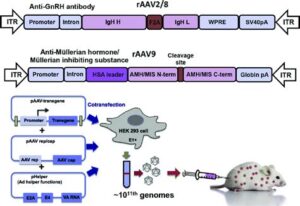
rAAV vectors like this one are foundational in the development of therapies for genetic disorders. Their ability to deliver stable transgene expression with minimal immune response makes them ideal for clinical applications.
Read about gene therapy initiatives:
3. Oncological Studies
In cancer research, the rAAV-DIO system is used to investigate tumor suppressor genes and oncogenes in conditional models, facilitating insights into cancer progression and treatment strategies.
Explore cancer research resources:
4. Regenerative Medicine
This vector aids in understanding stem cell differentiation and lineage tracing, supporting breakthroughs in regenerative therapies.
Learn more at:
Advantages of Using rAAV-EF1a-DIO-BFP-Flag-WPRE-bGH polyA
- High Specificity: Conditional expression enables precise targeting of cell populations.
- Versatile Applications: Suitable for studies ranging from neuroscience to oncology.
- Minimal Immune Response: rAAV vectors are safe for in vivo applications.
- Enhanced Expression: The combination of EF1a, WPRE, and bGH polyA ensures robust transgene expression.
Regulatory and Ethical Considerations
The use of rAAV vectors in research and therapy requires adherence to strict guidelines to ensure safety and efficacy. For detailed regulatory standards, consult:
Conclusion
The rAAV-EF1a-DIO-BFP-Flag-WPRE-bGH polyA construct represents a powerful tool for precise genetic manipulation, offering a combination of robust expression, conditional activation, and broad applicability. It continues to drive innovation in fields such as neuroscience, cancer biology, and gene therapy.
For further reading and resources, explore: